
A Google Ads account that has been running for a few years stops being one account. It becomes a pile of decisions nobody has read end to end. Campaigns launched for a quarter that has already closed. Negative-keyword lists inherited from whoever ran the account last. Settings Google chose because nobody chose otherwise.
The account average still looks survivable, and that is the problem. An average is the thing that hides the campaigns producing nothing.
Hiver sells a helpdesk that runs inside Gmail. Ankit Kanoria, Chief Growth Officer, was putting $20K to $25K a month into Google Ads for mixed results. He describes the period as one where things were not going great, and where the company was unclear on how to build out a multi-channel strategy. Hiver wanted a paid program instead of a paid line item. That meant an account somebody could read, and a second channel carrying its own weight beside it.
In July 2026, $7,669 of Hiver's non-brand spend, 41% of the non-brand total, went to 4 campaigns that produced zero conversions. Strip those 4 out and the rest of non-brand ran at $739 per conversion, under the $950 target. In the same month, brand converted at 13x the efficiency of non-brand, $98 against $1,261 per conversion.
Here is how we built it.
| Industry | Gmail-native helpdesk SaaS |
|---|---|
| Headquarters | San Jose, CA, with a team in Bengaluru, India |
| Services | Paid search and paid social, run by Understory Agency |
| Engagement | Discovery September 2025, audit, kickoff October 2025. Understory Agency engagements typically run 6 months |
| Headline result | $7,669 of non-brand spend, 41% of the non-brand total, found on 4 zero-conversion campaigns in July 2026 |
Performance Summary (October 2025 to July 2026)
- Non-brand spend on zero-conversion campaigns: $7,669 in July 2026, 41% of all non-brand spend
- Non-brand cost per conversion once those campaigns are removed: $739, under the $950 target
- Brand against non-brand efficiency: 13x, at $98 against $1,261 per conversion
- Cost per SQL: down 46% month on month
- Account structure: 19 campaigns rebuilt into 29, shipped March 2026
- New geographic campaigns: 19 SQLs at roughly $320 each in the first 16 days of February 2026, against an account average of $985
About Hiver
Industry: Gmail-native helpdesk SaaS
Hiver runs a helpdesk inside Gmail, so support, sales and operations teams handle shared inboxes without moving into a separate ticketing tool. The company is past $10M ARR with an average contract value of $3K to $5K, and is headquartered in San Jose, California with a team in Bengaluru, India. Understory Agency has run Hiver's paid search and paid social since October 2025.
The Challenge
Hiver brought Understory Agency in during September 2025 with 2 problems stacked on each other. The first was the account. The second was the question of what should run beside it.
Our September 2025 audit found 24 Performance Max campaigns running against a modest budget. Performance Max needs conversion volume to learn from, and 24 of them dividing a budget that size leaves none of them with enough. Every campaign in the account was optimizing for every CRM lifecycle stage at the same time, so no campaign had been told what a good outcome looks like. The customer-exclusion lists had never been verified, which is how an account ends up buying clicks from people who are already paying customers.
Ankit had worked with Understory Agency before. He left, tried a different approach, and came back, and his reasoning for the second engagement was structural. Hiver's in-house team could take the company from 0 to 10. The leap from 10 to 50, or from 50 to 100, needed an agency that was strategic and hands-on in the same week. He puts the restart at less than a week from the decision.
The numbers before we began
Understory Agency audits every paid account before touching it. The September 2025 audit and the December 2025 reporting found:
👉 $20K to $25K a month going into Google Ads, with mixed results
👉 24 Performance Max campaigns running against a modest budget
👉 Every campaign optimizing for every CRM lifecycle stage simultaneously
👉 Unverified customer-exclusion lists
👉 $115,887 of total spend in December 2025, producing 298 MQLs and 259 SQLs, at $389 per MQL and $1,071 per SQL
👉 4 lowest-tier campaigns holding 6% of budget, $7,295 of spend and 0 SQLs
👉 Cost per MQL at $918 in Q4 against $425 in Q3, a 116% deterioration
👉 Performance Max MQLs down from 161 a month to between 3 and 7
The Strategy: Find the spend producing nothing, then rebuild the account underneath it
Understory Agency's first move on an inherited account is to stop reading the average. Hiver's July 2026 numbers split cleanly the moment brand and non-brand were separated. Brand took 31% of spend, $8,448, and produced 86.1 conversions at $98 each. Non-brand took 69%, $18,534, and produced 14.7 conversions at $1,261 each. Brand was converting at 13x the efficiency of non-brand, and a blended account figure would have shown neither number.
The finding that mattered sat inside the non-brand half. $7,669 of that $18,534, 41% of all non-brand spend, was going to 4 campaigns that had produced zero conversions. Remove those 4 and the rest of non-brand ran at $739 per conversion, under the $950 target. The non-brand segment was carrying 4 passengers expensive enough to make the whole thing look broken. Cutting them was the highest-value decision available in the account, and it cost no volume at all, because they had produced none.
Structure came next, because waste only becomes visible in an account somebody can read. Understory Agency rebuilt Hiver's 19 campaigns into 29 in March 2026, with 15 splits, 2 merges and 14 renames. A campaign holding 4 unrelated intents reports one blended cost per conversion and hides which of the 4 intents is paying for the others. Splitting them is what turns a monthly report into a decision.
The negative-keyword rebuild is the part of this account that will be familiar to anyone who has inherited an old one. Hiver had 18 legacy negative lists holding 14,851 keywords. Of those, 1,495 were duplicates and 2,199 were broad negatives, which suppress far more than whoever added them intended. We consolidated the 18 lists into 4 shared lists. In the process we found 160 negatives actively blocking live keywords Hiver was paying to run. The terms "chat" and "chatbot" alone were blocking 66 live keywords in the LiveChat campaign, which is the campaign built to sell live chat.
Then the conversion goal. Google Ads optimizes toward whatever event it is told to count, so the event has to be one the sales team acts on. Hiver's account was counting MQLs. Understory Agency migrated the goal to SQL, set SQL and Opportunity as the primary conversions across every campaign, and built an offline conversion action that uploads qualified SQLs back from the CRM into the platform. Cost per SQL fell 46% month on month.
With the domestic account structurally sound, we widened the map. UK and Ireland launched, then ANZ, then 8 European markets, alongside new category campaigns for customer support, HR and employee support, healthcare, and omnichannel. The read on that arrived quickly. In the first 16 days of February 2026, 5 newly launched geographic campaigns produced 19 SQLs at roughly $320 each, against an account average of $985.
Underneath the structural work, a set of smaller fixes each carried its own number:
- Sitelinks. 283 of Hiver's 301 sitelinks had been auto-created by Google and only 18 were deliberate. 196 were missing description lines and around 45 pointed at pages that redirected. We wrote 90 new ones across 11 campaigns.
- Device. Full negative mobile bid adjustments went on across all campaigns, worth roughly $2,600 a month in recoverable spend.
- Dayparting. Weekends were taking 8.4% of spend, producing zero opportunities, and running a 36% higher cost per MQL. Weekend bids came down roughly 80%.
- Ad copy. Messaging moved off price and discount and onto being built for complex support, agentic AI, and named enterprise proof.
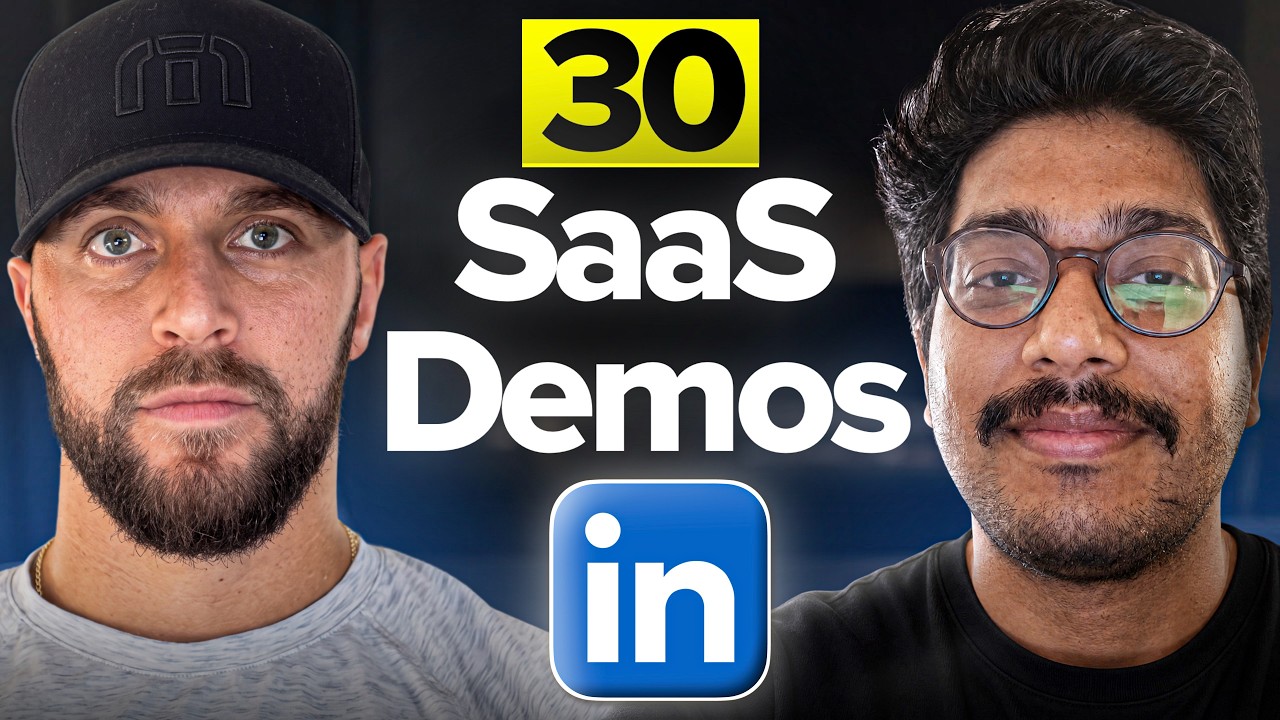
Paid social ran alongside all of it. Ankit reports around $20K a month on LinkedIn with Understory Agency and 30 demos booked, a result he says he had not expected. Those figures are Ankit's own count, and they are on this page as client-reported.
The Results (October 2025 to July 2026)
👉 $7,669 of non-brand spend found on 4 zero-conversion campaigns in July 2026, 41% of all non-brand spend
👉 Non-brand at $739 per conversion once those 4 campaigns are removed, under the $950 target
👉 Brand converting at 13x the efficiency of non-brand, $98 against $1,261 per conversion
👉 Cost per SQL down 46% month on month after the goal moved from MQL to SQL
👉 19 campaigns rebuilt into 29, with 15 splits, 2 merges and 14 renames, shipped March 2026
👉 14,851 negative keywords across 18 legacy lists consolidated into 4 shared lists, with 160 negatives caught blocking live keywords
👉 "chat" and "chatbot" alone blocking 66 live keywords in the LiveChat campaign
👉 90 new sitelinks written across 11 campaigns, against the 283 of 301 Google had auto-created
👉 19 SQLs at roughly $320 each in the first 16 days of February 2026 from 5 newly launched geographic campaigns, against an account average of $985
👉 Roughly $2,600 a month recoverable from device bid adjustments, with weekend bids cut about 80% after weekends showed 8.4% of spend and zero opportunities
👉 30 demos booked from LinkedIn at around $20K a month, client-reported by Hiver
Key Takeaways
- Segment the account before you judge it. Brand and non-brand should never share a cost per conversion number, because brand volume flatters everything sitting next to it in the same report.
- Waste in a mature account is concentrated, and that is good news. Sort non-brand campaigns by conversion count. The ones sitting at zero usually account for a large share of what the whole segment costs.
- Audit the negative-keyword lists you inherited. Broad negatives added years ago block live keywords nobody thought to cross-check, and a single word can suppress dozens of terms in the campaign built to sell that exact thing.
- Count the stage your sales team acts on. An account optimizing toward the first marketing event in the funnel will find more of that event, whether or not any of it turns into pipeline, so send the qualified stage back from the CRM as the conversion.
What Hiver says
“You guys were super prepared. It almost felt like you knew our business better than we do. And that just gave me a lot of confidence going into the partnership.”
“There was a point where we were spending around 20k per month on LinkedIn and we saw some great results... We booked 30 demos and I wasn't expecting that.”
Conclusion
Hiver's Google Ads account went from 24 Performance Max campaigns splitting a modest budget to a 29-campaign structure built on segments somebody can read. The negative lists went from 18 to 4. The conversion goal moved from MQL to SQL with the CRM feeding qualified records back into the platform, and cost per SQL fell 46% month on month. The clearest single number is still the July 2026 one, where $7,669, 41% of all non-brand spend, was sitting on 4 campaigns producing nothing. The rest of non-brand ran at $739 against a $950 target.
That shape repeats across most B2B SaaS accounts that have been live for more than 2 years. Brand hides the non-brand problem. Non-brand hides a small number of campaigns producing nothing. Negative lists nobody has opened block the keywords the account is paying for. Understory Agency reads the account first and says out loud what is in there. Then we run the program as the team.
FAQ
How do you find wasted spend in a Google Ads account?
Why does branded search convert so much more cheaply than non-brand search?
What does a negative keyword audit find in an old Google Ads account?
Related reading
- Understory Agency paid media, the service line behind this engagement.
- Best B2B SaaS paid media agencies, the buyer's guide to this category.
- Hiver, the Gmail-native helpdesk.
- Forthcoming in the paid search cluster: Doppel, RemoFirst and Knit.